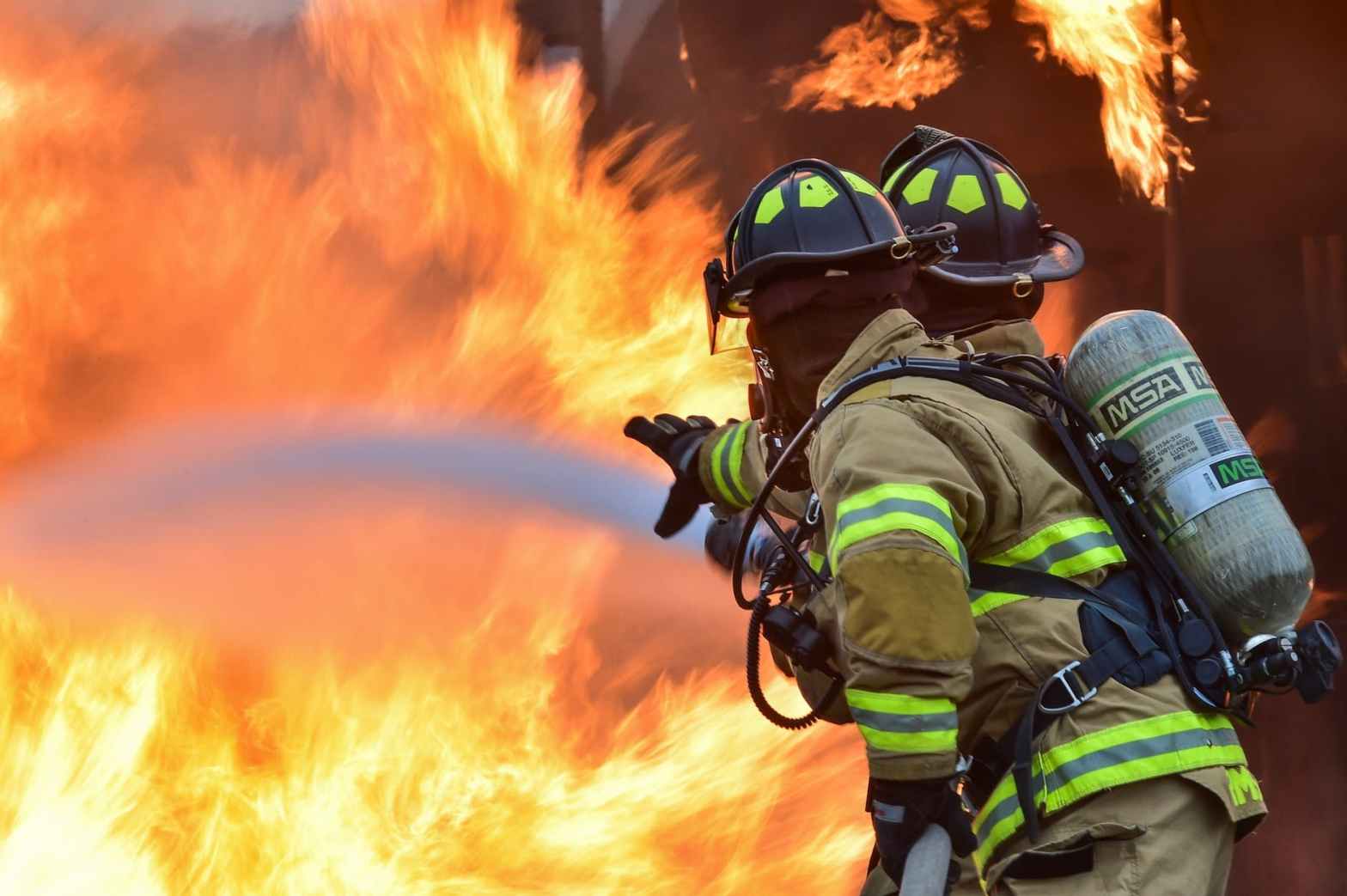
Australia’s raging fire causes big problems to the water
Following the tragic fires of Australia, scientists fear that the debris of the fires will be washed off by rainfall and into rivers, dams and oceans, therefore killing wildlife in the oceans and tainting the drinking supplies.
For many weeks, ash, soot, and blackened gum tree leaves have collected along the shorelines of Sydney’s beaches,clogging the waves and tides. But what has carried on the wind is just a taste of the huge quantities of debris that are likely to wash into rivers once there are heavy downpours.
This disaster has made trouble for drinking water supplies, coastal ecosystems, and the freshwater rivers that support iconic Australian wildlife, such as the platypus.
Ocean Watch
Eventually, all the debris will be washed out to the sea. The effects on the marine life is not certain yet as it is little studied on that.
While few studies have looked at the impact of charcoal and ash on marine organisms and possible toxins generated by bushfires, it’s certainly possible they could be harmful.
Thankfully, Australia’s Great Barrier Reef has not yet been affected, as the focus of the fires have so far been further south, and the ocean currents carries water in a southerly direction, away from the reef.
Slow Recovery
While very little is known about the effects on marine life, there could be an array of impacts if the levels of exposure are high enough.
However great the damage to Australia’s marine and freshwater ecosystems eventually is, it may be decades before it can be recovered.
The striking thing is just how long the effects of these fires can persist and the time it takes these systems to recover, particularly in terms of providing a water supply, is in the order of a decade.That’s important because both Sydney and Melbourne’s catchments have been reasonably badly affected by recent fire events.
 GP Blog